
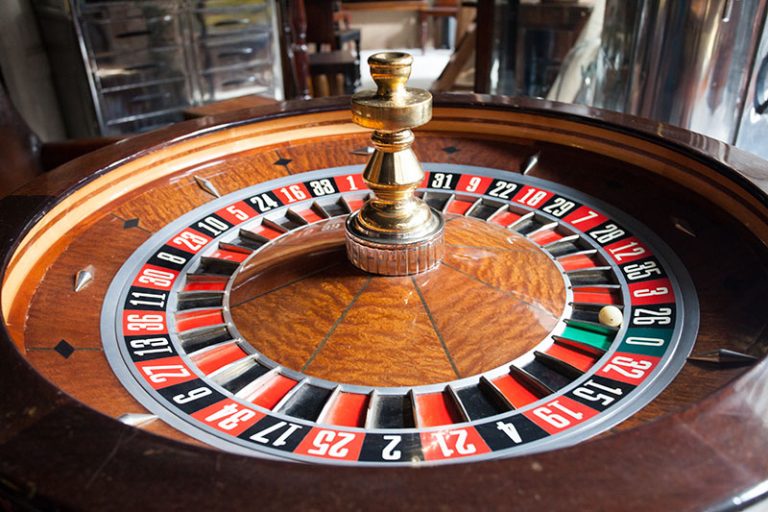
Roulette energy, where timing meets pulse and chance
Roulette has a peculiar kind of energy. It is not always loud, although it certainly can be. Sometimes it is simply the quiet moment before the wheel slows down, when a player watches a small white ball move between pockets and starts wondering if this spin might be different. On a modern casino site such as Ninecasino, that familiar tension is translated into a digital setting, with fast-loading tables, live hosts, and the option to play at a pace that feels comfortable rather than rushed.
That is the appeal of roulette for many people. The rules are easy enough to understand in a few minutes, yet the game never feels completely flat. A straight-up bet can feel daring. A red or black wager feels calmer, at least emotionally, even though every spin remains independent. Timing, pulse, and chance overlap in a way that makes the game feel almost cinematic.
◆ The central truth of roulette is fairly simple: no pattern guarantees the next result. The most enjoyable sessions tend to come from treating the wheel as entertainment, setting a limit early, and letting every spin stay just one spin.
Contents
The pulse behind the wheel
Timing without superstition
Choosing a roulette format
Bankroll and payments
Bonuses and sensible choices
The live casino atmosphere
Keeping the experience steady
The pulse behind the wheel
In a land-based casino, roulette energy is physical. Chips click against the layout. Someone leans closer to the table. The dealer announces that no more bets are allowed, and for a moment the entire group is watching exactly the same thing. Online roulette cannot reproduce every detail of that room, but it does create its own rhythm. The countdown timer, the sound settings, the animated wheel, and the instant appearance of results all shape the mood.
Some players prefer that digital calm. There is no need to stand near strangers or make a decision while another person waits behind them. You can pause between sessions, check the game rules again, or switch from European roulette to a low-stakes live table without any awkwardness. It may sound minor, but control over the environment can make a real difference.
Roulette is often most exciting when the stakes still feel manageable. The rush should come from the spin, not from worrying about money that was never meant for play.
There is also the visual language of roulette. Red and black squares, the green zero, neat stacks of chips, and the revolving wheel are instantly recognisable. Even players who usually spend their time on slots often drift toward roulette because it looks simple and purposeful. It does not ask for a complicated story. The wheel turns, the ball lands, and the outcome is clear.
Timing without turning it into superstition
Timing is important in roulette, but perhaps not in the way people first imagine. There is no perfect second to place a bet that can influence where the ball lands. Random number generator roulette and properly operated live tables are built around uncertainty. Previous results can be interesting to look at, yet they do not create a promise for the next round.
The useful kind of timing is personal. It is deciding when to start, when to take a short break, and when the session has had enough momentum for one day. I think that distinction is easy to miss because roulette invites little stories. Five reds in a row can seem meaningful. Ten black results can look like a message. Usually, it is simply a sequence doing what sequences do, which is occasionally looking dramatic.
- Choose a session budget before opening the table.
- Decide whether you want slower outside bets or occasional higher-risk inside wagers.
- Set a time boundary, especially when playing on a phone late in the evening.
- Leave the table when the game stops feeling enjoyable, even if a new spin is about to begin.
These steps are not glamorous, admittedly. They do not make a roulette session more mysterious. What they do is prevent the mood of the game from taking over every decision. A player can enjoy the suspense while still keeping a little distance from it, and that is usually a healthier balance.
Choosing a roulette format that fits the moment
Not all roulette tables feel alike. European roulette has one zero and is often the first choice for players who pay attention to house edge. American roulette adds a double zero, which changes the mathematics in the casino’s favour. French roulette may include special rules on certain even-money bets, depending on the version offered. It can sound technical, but choosing the format is one of the few decisions a player genuinely controls.
Then there is the question of pace. Instant-play RNG tables are convenient when you want a few spins without waiting for other players. Live roulette, on the other hand, has that shared pause before the dealer releases the ball. It is slower, generally, and that can either be a pleasure or a test of patience. Neither option is automatically better. A quiet afternoon may suit a standard digital wheel, while a weekend session might call for a live studio table and a bit more atmosphere.
- European roulette for a classic single-zero layout.
- Live roulette for real-time dealing and a social visual setting.
- Auto roulette for quick rounds and minimal interruption.
- Low-limit tables for players who want to explore without escalating too quickly.
The best approach is often to use demo modes where they are available, or to watch a live table for a round or two before joining. It is a small pause, but it can reveal a lot about table limits, betting windows, chat activity, and whether the pace actually feels right.
Bankroll, deposits, and the practical side of play
A polished casino platform should make the practical parts feel straightforward. Registration needs to be clear, account verification should be explained in plain language, and payment methods should not be hidden behind vague menus. Players tend to notice when a site makes deposits easy but withdrawals confusing, and quite honestly, that is where trust can disappear quickly.
Before depositing, it helps to check the minimum amount, available payment options, processing times, and any verification requirement that may affect a withdrawal. Cards, bank transfers, e-wallets, and mobile payment solutions may all be offered, although availability can vary by location. A sensible player reads the payment page before there is a problem, not after.
A good casino experience is not only about colourful games. Clear limits, accessible account tools, and transparent withdrawal information matter just as much when real money is involved.
It is worth remembering that roulette does not need large stakes to create a feeling of involvement. A handful of small bets across a layout can make each spin interesting. Increasing the stake because a session feels slow is a common impulse, but it rarely improves the experience for long. Sometimes the better move is simply to log out and come back another day.
Bonuses can add interest, but the details matter
Casino bonuses are often presented with bright graphics and big numbers, which is understandable. They are designed to catch attention. Yet roulette players should look beyond the headline offer. Wagering requirements, game contribution rates, maximum bet limits, expiry dates, and withdrawal caps can all shape whether a promotion is genuinely useful.
Roulette frequently contributes less toward bonus wagering than slots, and some specific roulette variants may not count at all. That does not make a bonus bad, it just means the player should know what is being accepted before opting in. I would rather skip a promotion than spend an evening trying to decode conditions after the fact.
Promotions can still be enjoyable when they suit the way you already play. Free spins are naturally more relevant to slot fans, while cashback or deposit offers may feel more flexible for someone dividing time between roulette, blackjack, and other casino games. The quiet rule is this: do not let a bonus choose the game for you.
Why live roulette changes the mood
Live casino roulette deserves its own mention because it brings back the human timing that many players miss online. A real dealer handles the wheel, announces the action, and creates natural pauses. There may be a chat box, multiple camera angles, and a studio designed to resemble a casino floor. It is not exactly the same as travelling to a venue, of course, but it has more warmth than a silent interface.
At the same time, live tables can encourage a player to stay for “just one more round.” The wheel is already moving, other bets are visible, and leaving can feel like stepping away from a conversation. That is where a pre-set limit becomes useful again. Enjoy the sense of occasion, but keep the decision to continue separate from the energy on screen.
Keeping roulette exciting without losing the plot
The most memorable roulette sessions are not necessarily the ones with the biggest wins. Sometimes they are the sessions where a modest number lands on a corner bet, where a live dealer’s calm delivery makes the room feel oddly real, or where you stop at the exact moment the game is still fun. Chance is doing the same thing in every case, but your reaction to it changes the story.
Roulette energy comes from that narrow space between choice and uncertainty. You choose the table, the bet type, the pace, and the amount you are comfortable risking. The wheel takes over after that. It is an old game, really, but it continues to work because the basic moment never gets old: the ball slows, the numbers blur, and for a few seconds everyone is waiting for the same answer.
Play with care, keep your expectations realistic, and let the pulse of the game remain what it should be, a brief piece of entertainment rather than a plan for solving anything outside the casino.